Selling a home is one of the most important financial decisions most people make in their lifetime. The way a property is presented in the market can significantly influence how quickly it sells and the final selling price. Buyers often make decisions emotionally within the first few minutes of viewing a home, which is why preparation is critical.
Preparing your home for market is not just about cleaning or staging; it is about strategically positioning your property to stand out in a competitive real estate environment. From curb appeal to interior presentation, every detail matters.
This guide covers the top 10 tips to prepare your home for market, designed to help homeowners attract serious buyers, reduce time on the market, and maximize property value.
1. Enhance curb appeal to create a strong first impression
First impressions begin the moment a potential buyer sees your property from the street. The exterior of your home sets the tone for the entire viewing experience.
Start by ensuring the lawn is well-maintained, hedges are trimmed, and pathways are clean. Repaint the front door if necessary and consider upgrading small details such as house numbers, lighting fixtures, or mailboxes. These minor improvements can significantly elevate the overall appearance.
Adding simple landscaping touches such as potted plants or seasonal flowers can also make your home feel more inviting. A clean and attractive exterior signals that the property has been well cared for, increasing buyer confidence before they even step inside.
2. Declutter every space to highlight room potential
One of the most effective ways to prepare your home for market is to remove unnecessary clutter. Buyers want to envision themselves living in the space, and clutter can make rooms feel smaller and less functional.
Start by clearing countertops, organizing shelves, and removing excess furniture. Personal items such as family photos, collectibles, and memorabilia should also be minimized to create a neutral environment.
Storage spaces like closets and cabinets should also be organized since buyers often inspect these areas. A well-organized home creates the impression of ample space and functionality, which adds value in the eyes of potential buyers.
3. Deep clean the entire home thoroughly
Cleanliness plays a major role in how buyers perceive a property. A spotless home suggests proper maintenance and care, which builds trust.
Focus on deep cleaning all areas including floors, windows, baseboards, bathrooms, and kitchens. Pay attention to overlooked areas such as ceiling fans, vents, and behind appliances. Professional cleaning services may be worth considering for the best results.
Odor control is equally important. Avoid strong cooking smells, pet odors, or mustiness. A fresh and clean-smelling home leaves a positive and lasting impression during showings.
4. Make necessary repairs and maintenance updates
Small issues such as leaky faucets, squeaky doors, or chipped paint may seem minor, but they can raise concerns for buyers about the overall condition of the home.
Before listing, conduct a full walkthrough of your property and create a repair checklist. Fix visible damages, replace broken fixtures, and ensure all systems are functioning properly.
Addressing maintenance issues upfront reduces the likelihood of buyer objections during inspections and helps avoid price negotiations based on repair costs.
5. Apply a fresh coat of neutral paint
Paint is one of the most cost-effective ways to transform a home’s appearance. Neutral colors such as white, beige, or light gray appeal to a broader audience and help create a clean, modern look.
Bright or bold colors may reflect personal taste, but they can limit buyer appeal. Neutral tones allow buyers to easily visualize how they would decorate the space.
Fresh paint also gives the impression that the home is newer and well-maintained, which can positively influence perceived value.
6. Stage your home to showcase its best features
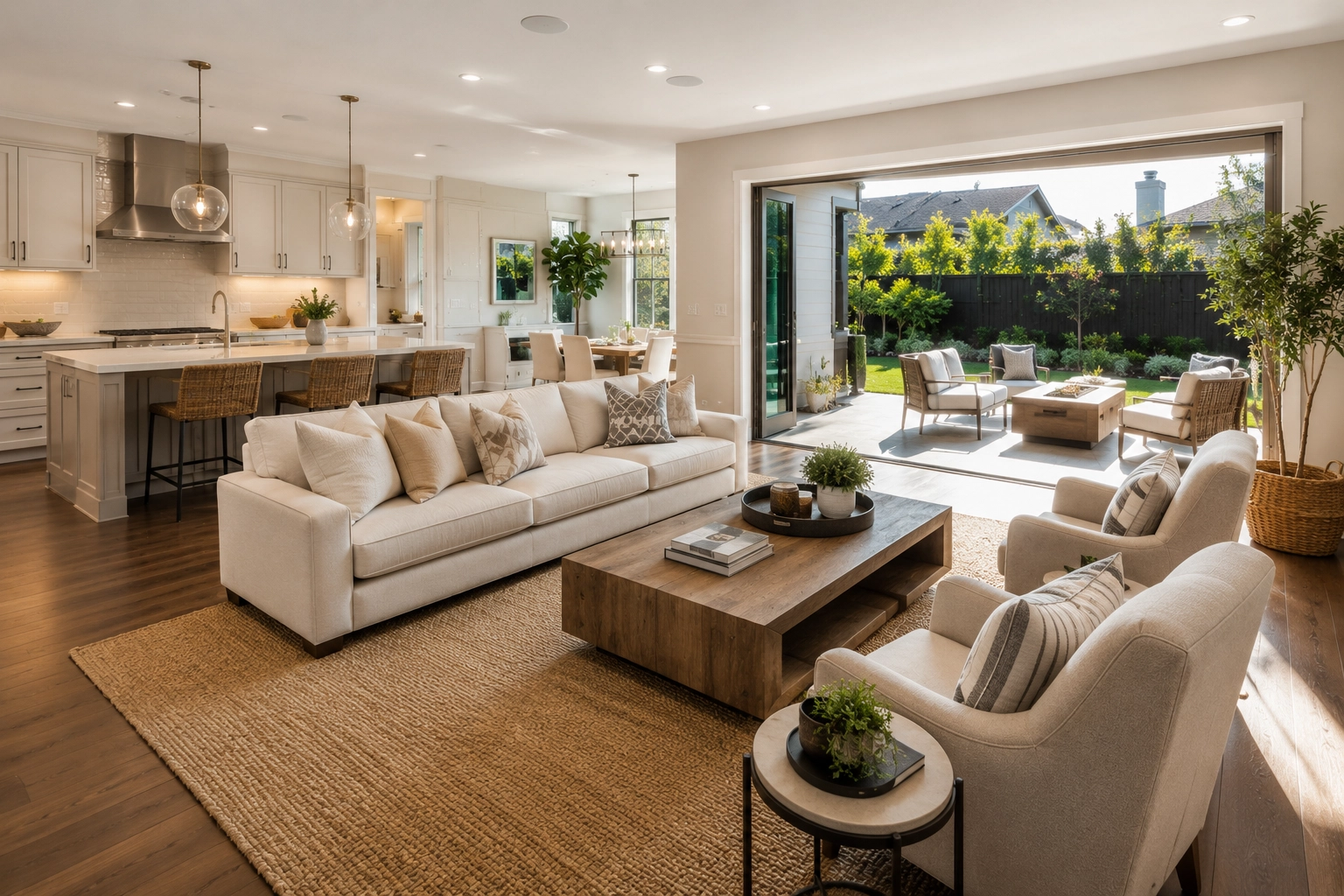
Home staging is the process of arranging furniture and decor to highlight a property’s strengths and functionality. Proper staging helps buyers understand how each space can be used.
Arrange furniture to maximize space and flow. Remove oversized pieces that make rooms feel cramped. Add simple decorative elements such as cushions, plants, or artwork to create a warm and inviting atmosphere.
If possible, hire a professional stager who understands market trends and buyer psychology. Staged homes often sell faster and at higher prices compared to non-staged properties.
7. Maximize natural light and improve lighting
Lighting plays a crucial role in how a home feels. Bright, well-lit spaces appear larger, cleaner, and more welcoming.
Open curtains and blinds to allow natural light to enter each room. Clean windows to ensure maximum brightness. Replace heavy drapes with lighter alternatives if necessary.
Additionally, check all light fixtures and replace dim or outdated bulbs. Warm white lighting is generally preferred as it creates a comfortable and inviting environment.
8. Depersonalize the space for broader appeal
While your home may reflect your personal style, buyers need to imagine it as their future home. Depersonalizing helps create a neutral environment that appeals to a wider audience.
Remove personal photographs, religious items, and highly specific decor. Replace them with simple, neutral artwork or decorative accents.
The goal is to create a blank canvas where buyers can mentally project their own lifestyle and preferences.
9. Improve key areas like kitchen and bathrooms
Kitchens and bathrooms are often the most influential spaces in a buyer’s decision-making process. Even small improvements in these areas can significantly impact perceived value.
In the kitchen, consider updating cabinet handles, cleaning grout, and ensuring countertops are clutter-free. In bathrooms, replace worn-out fixtures, reapply sealant where needed, and ensure everything is spotless.
If budget allows, minor upgrades such as modern faucets or new lighting can further enhance appeal without requiring a full renovation.
10. Work with a professional real estate agent for strategy
One of the most important steps in preparing your home for market is partnering with an experienced real estate professional. A knowledgeable agent understands market trends, pricing strategies, and buyer expectations.
A real estate agent can provide guidance on staging, pricing, marketing, and negotiation. They can also recommend trusted contractors or staging professionals if needed.
Having expert support ensures your home is positioned competitively and reaches the right buyers through effective marketing channels.
Frequently Asked Questions (FAQs)
1. Why is preparing a home for market important?
Preparing a home increases its appeal, helps attract more buyers, and can lead to faster sales at higher prices.
2. How much should I spend on home preparation before selling?
It depends on the condition of the home, but small investments in cleaning, painting, and minor repairs typically offer strong returns.
3. Is staging really necessary?
While not mandatory, staging significantly improves how buyers perceive the space and can increase selling potential.
4. Should I renovate before selling?
Major renovations are not always necessary. Focus on small, cost-effective improvements unless a renovation is essential for safety or functionality.
5. How long does home preparation usually take?
Preparation can take anywhere from a few days to several weeks depending on the condition of the property and scope of work required.
6. Does decluttering really make a difference?
Yes. Decluttering helps make spaces appear larger, cleaner, and more functional, which appeals strongly to buyers.
Get Expert Help to Prepare and Sell Your Home Successfully
Selling your home doesn’t have to be overwhelming. With the right strategy and expert guidance, you can maximize your property’s value and attract serious buyers quickly.
If you are planning to sell your home and want professional assistance in preparing your property for the market, reach out today.
Contact Michael Mena for expert real estate guidance, personalized selling strategies, and support throughout the entire selling process.